
As time goes on, innovations are made in technology. I bet that you’ve noticed that things today are not like the things a couple of years ago because they are more modernized and cutting-edge, especially cars!
In this futuristic study, I take you on a look back in time to old cars, telling you what an EV is, and explaining how it works.
JUMP TO A SECTION:

A Look Back in Time
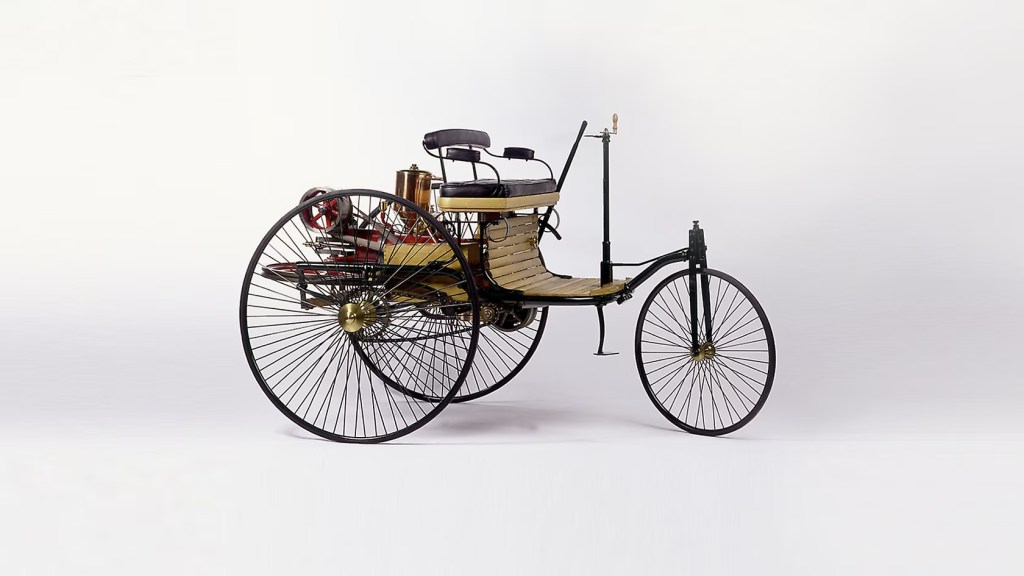
The very first car dates back to January 29th, 1886, when Carl Benz applied for a patent for his “vehicle powered by a gas engine.” The patent (#37435) is regarded as the birth certificate of the first practical automobile and the first car put into production.
Since then, cars have kept on being improved by newly added technologies and infrastructures, some of them being computer transformation, anti-lock brakes, tire pressure sensors, electronic stability control, features like airbags, seat belts, crumple zones, and a bevy of automated safety technologies. The interior and exterior design have also changed to become more spacious, meeting certain consumer requirements. These days, the newest type of car is the EV.

What’s An EV?
An EV, or electric vehicle, in simple terms, is a vehicle that doesn’t use an internal combustion engine and gasoline for power and instead uses battery-powered electric motors powered by an external electric source, hence the name “electric” vehicle.
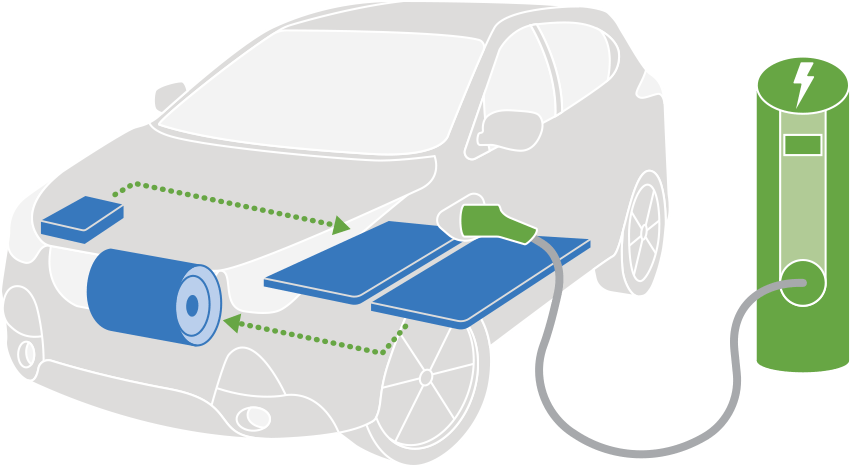
To elaborate further on this, I have created a chart that you can view:
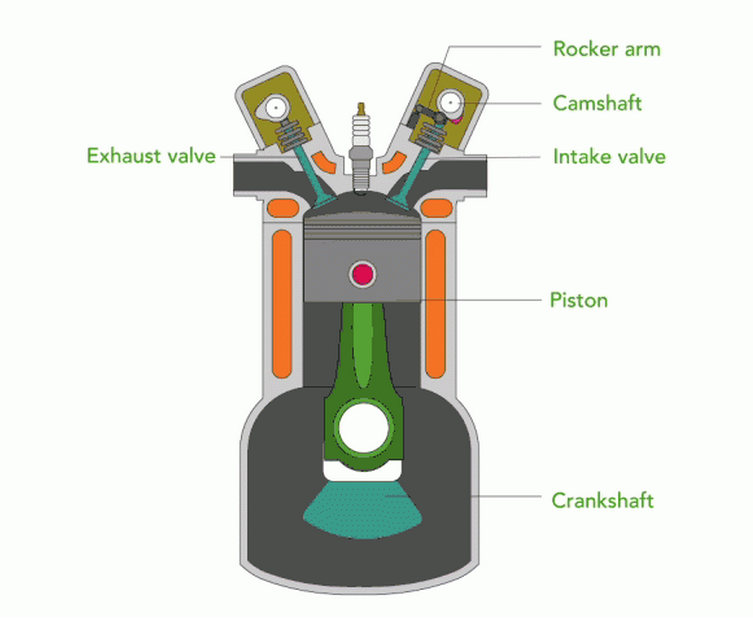
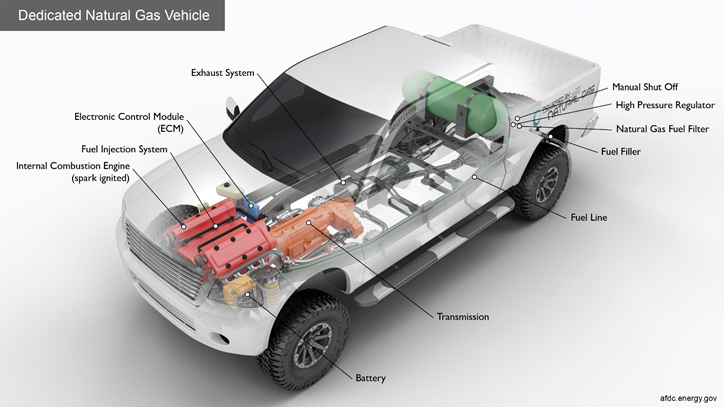
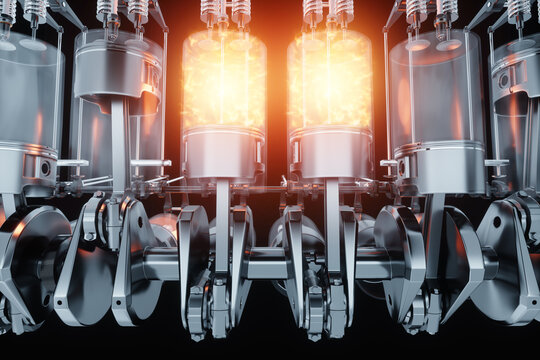
Internal Combustion Engine
“Traditional Cars” or Gas-Powered Cars or ICE Cars
- The ignition and combustion of the fuel occur within the engine itself
- The engine partially converts the energy from the combustion into work.
- Consisting of a fixed cylinder and a moving piston, the expanding combustion gases push the piston, which in turn rotates the crankshaft.
- Through a system of gears in the powertrain, this motion drives the vehicle’s wheels.
Battery-Powered Electric Motors
EVs (Electric Vehicles) or BEVs (Battery Electric Vehicles)
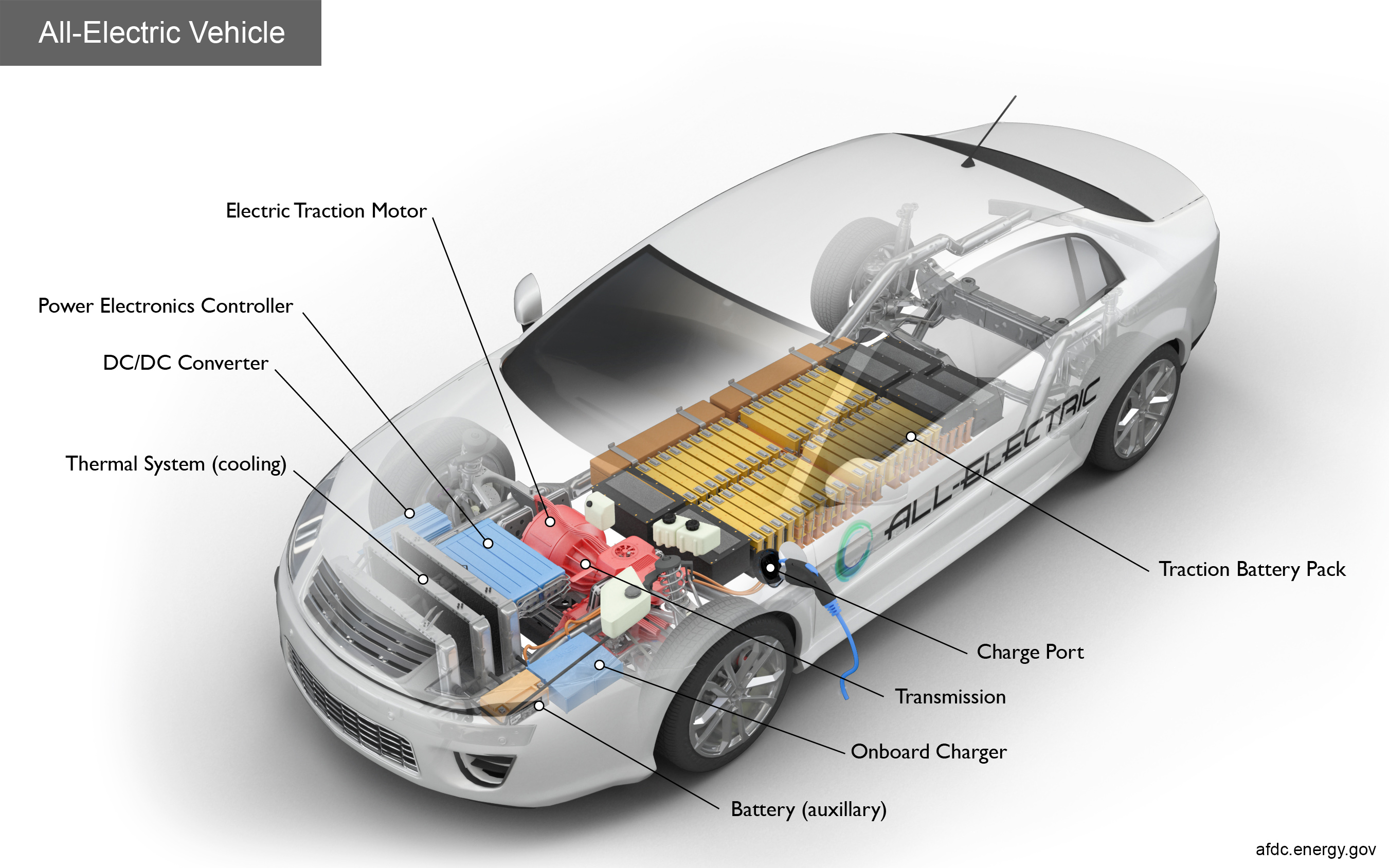
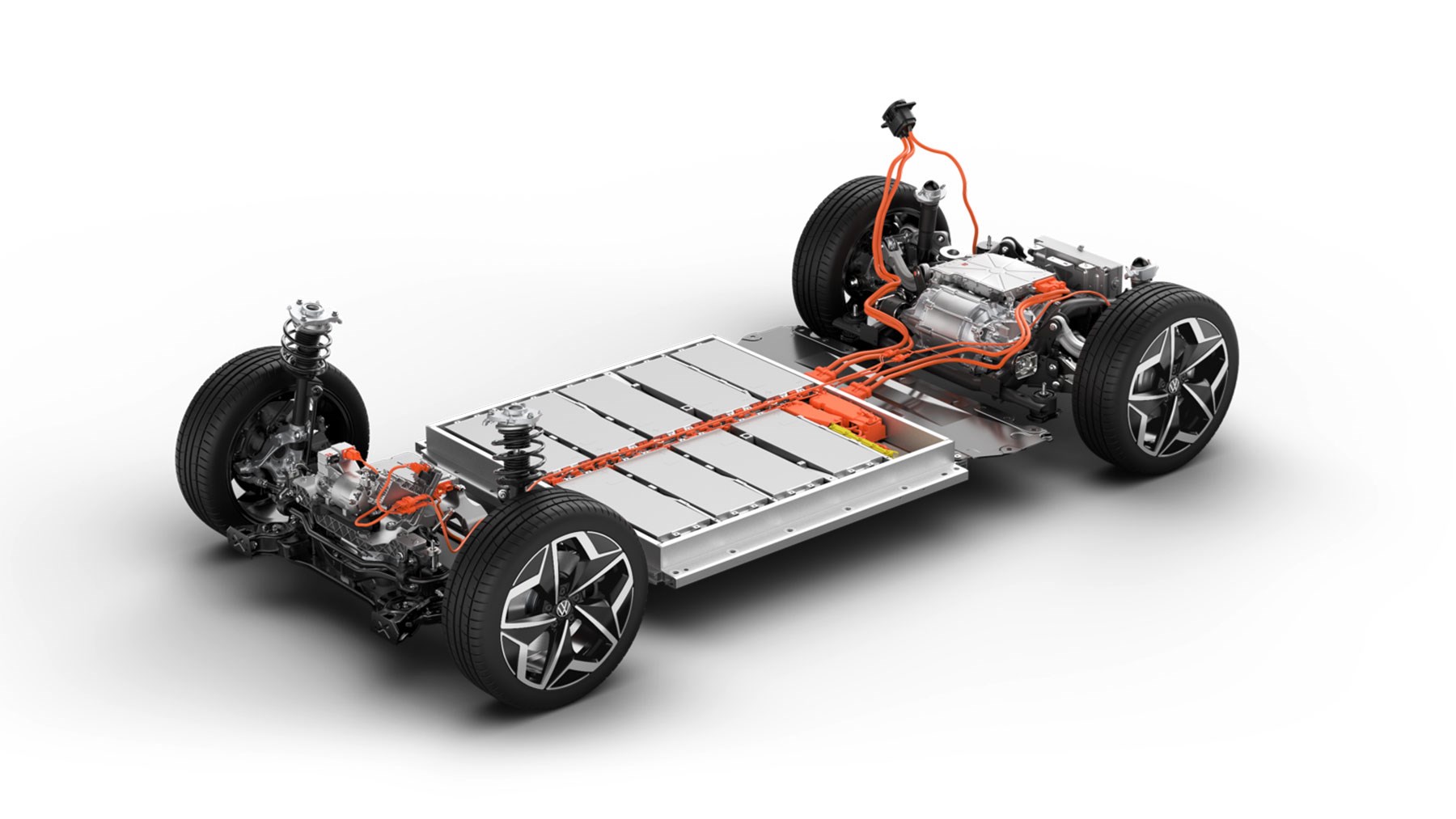
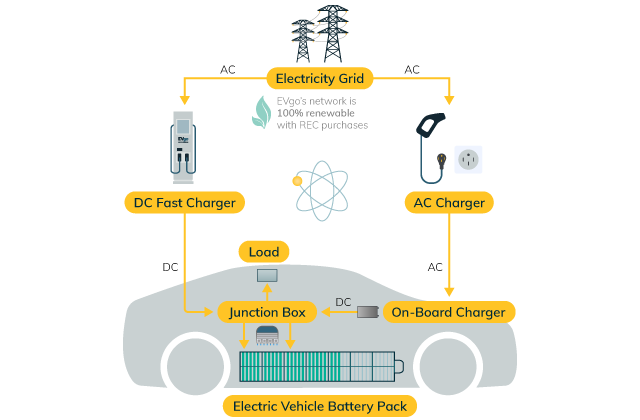
- An EV is a vehicle that can only be powered by an electric motor that draws electricity from a battery
- The battery (rechargeable), made of lithium-ion or lithium-iron-phosphate, is the most important part of an EV that stores its electrical energy and powers the components of the vehicle.
- Using electrical energy from the battery pack, the EV motor converts it to mechanical energy, which then powers and drives the wheels.
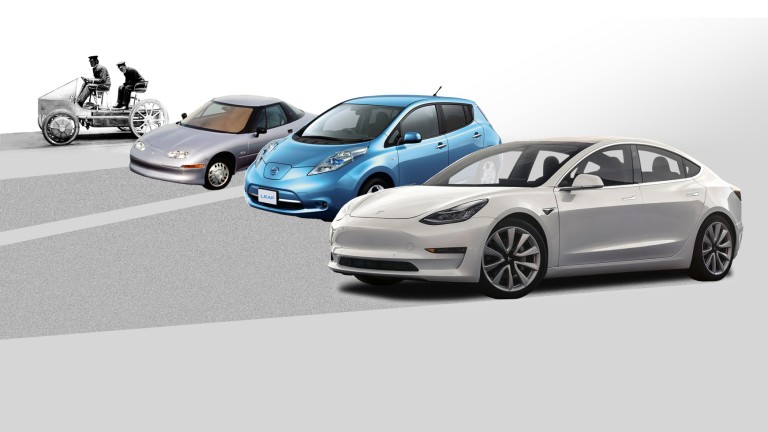
Even though they seem all-new and groundbreaking, did you know that EVs first came out in the 1800s? The first EV (electric carriage as he called it), powered by the non-rechargeable primary cells, was invented in 1832 by Scottish inventor Robert Anderson! And then came 1890, when William Morrison created a successful electric car with a top speed of 22 kmh. A couple of years later, Tesla’s 2008 Roadster was the world’s first premium all-electric sedan. And now, there are a variety of EV brands worldwide, with the most popular being Tesla Motors, followed by Volkswagen, BYD, Hyundai, Toyota, etc.
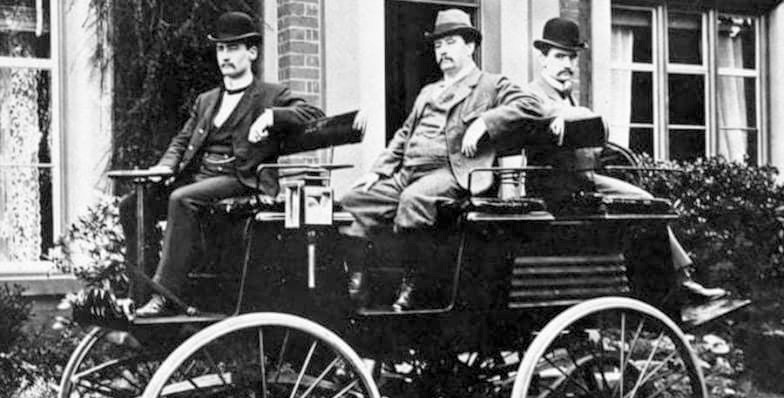
If you want to see more events in the history of EVs, you can view them here.
Closing
Well, folks, that was it for this first part of my futuristic study: What is an EV? I took you on a look back in time to old cars, told you what an EV is, and explained how it works. But that’s not all! I will be releasing more sequel posts to this one, such as Advantages/Disadvantages of EVs, My Opinion on EVs, and Driverless Cars, so stick around!
Please comment on this post if you found this research interesting or helpful, and tell me how I did by sharing your feedback as well! If you liked this, please leave a like and subscribe to my blog for more content like this!

 The Kartik-Sphere