
After any hard or easy workout, there’s always a hot read sweaty face, booming heat, wheezing lungs, and boosts to your alertness and mood. Following that, there is only talks about Personal Bests, laps, and reps. All of that are the outside characteristics of the body. But what happens inside? Here’s the “Behind-The-Scenes” of what goes on in different body parts while you exercise:
Muscles
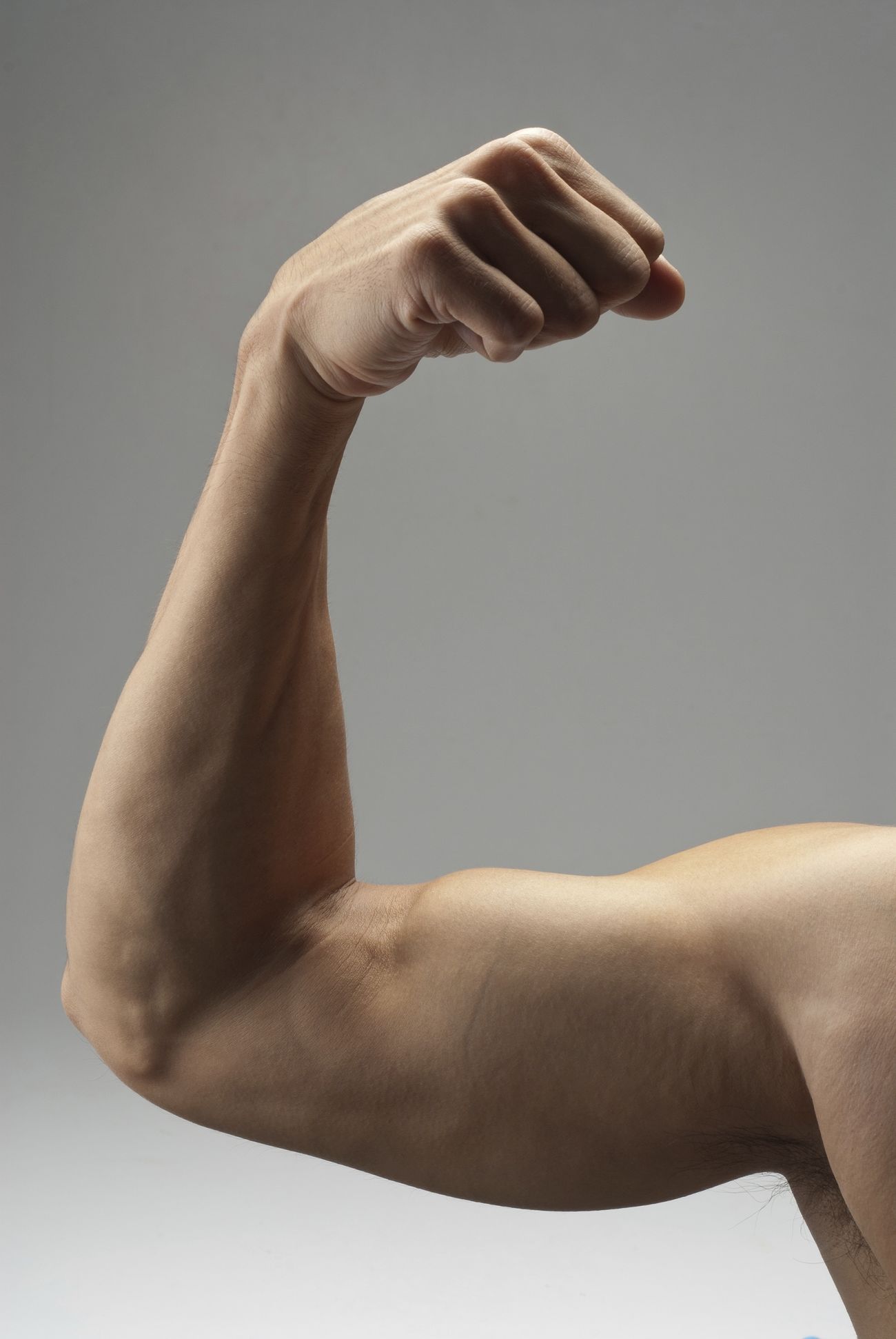
Your blood vessels pump more blood to your muscles to deliver more oxygen so they can work more and not produce lactic acids. Sometime after hard, exercise your muscles tear, and those tears help help them grow bigger and stronger as they heal. Soreness in your muscles only means there are changes occurring in those muscles, and that you are getting stronger! The soreness goes away in a few days.

Lungs
When doing heavy exercises, your body may run out of breath, and need up to 15 times more oxygen, so your lungs will start to breathe faster and heavier. Your breathing rate will keep on increasing until the muscles surrounding the lungs just can’t move any faster. This maximum capacity of oxygen use is called VO max. The higher the VO max, the more fit a person is.

Diaphragm
Like any muscle near the lungs, the diaphragm also gets tired with the heavy breathing. There are arguments of what the after-affect of the diaphragm tiredness is, but one thing is for sure: Deep breathing and stretching can reduce the discomfort in the middle of a workout, and precautionary strengthening in the gym can prevent possible future issues.
Heart
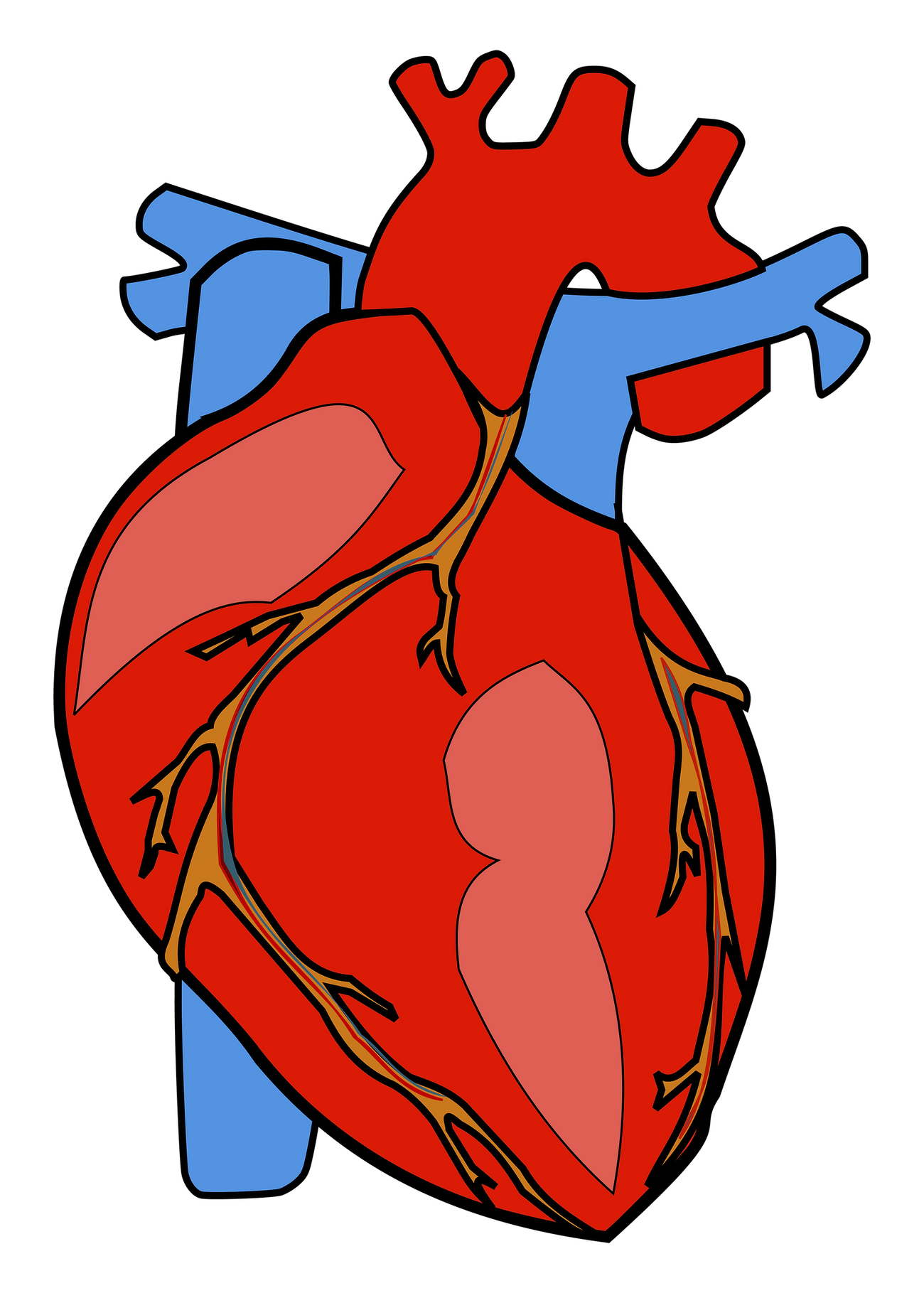
When you exercise, heart rate increases to circulate more oxygen (via blood) at a quicker pace, due to demands of blood and oxygen by muscles and body parts. And the more you exercise, the more efficient the heart becomes at this process, so you can exercise harder and for longer time periods. Eventually, this lowers resting heart rate in fit people, and stimulate the growth of new blood vessels, causing blood pressure to decrease in fit people.
Stomach & Intestines
Since the body pumps more blood to the vessels during exercise, it has to take away some from the systems and functions that aren’t really needed at the moment, like digestion. Movement, absorption and secretion in the stomach and intestines can all be affected, which all results in stomach aches and tummy troubles.

Brain
Increased blood flow can also benefit the brain. Immediately when you start to exercise, the brain cells will start functioning at a higher level, making you feel more alert during exercise and more focused once your done. When you work out regularly, the brain gets used to this surge of blood and adapts by turning certain genes on or off. Many of these changes boost brain cell function and protect your brain from brain diseases such as Alzheimer’s, Parkinson’s, or even stroke, and prevent age-related decline. Exercise also triggers a huge surge of chemical messengers in the brain called neurotransmitters, which include endorphins, which are responsible of giving you the possible “Runner’s High”.
Many of the parts of the brain such as the hippocampus and hypothalamus workout too, so to find out about them visit https://www.huffpost.com/entry/body-on-exercise-what-happens-infographic_n_3838293.

Kidneys
The rate at which the kidneys filter blood can change depending on how much you are exercising. After intense exercise, the kidneys allow greater levels of protein to be filtered into the urine. They also trigger better water reabsorption, resulting in less urine, in what is an attempt to help keep you as hydrated as possible.
Skin
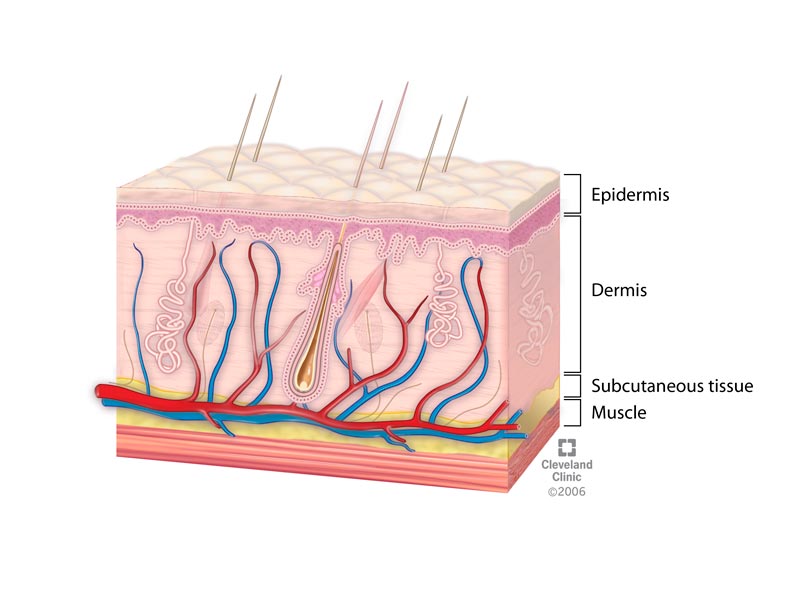
As you start and continue your workout, the body, like any engine, produces heat, and needs to cool off! The blood vessels in the skin increase in size, increasing blood flow to the skin. The heat then dissolves through the skin into the air!

Face
Remember that red-tomato face you got after harsh exercise? That was because capillaries close to the skin’s surface in the face increase in size just like the blood vessels going to your skin, as they strain to release heat. That strain may may result in a particularly red face!

Joints
Exercising puts on extra weight on the joints, sometimes up to five or six times more than your bodyweight, which in the long run may cause the cushioning in your joints to break down.

For more information and details, visit my source: https://www.huffpost.com/entry/body-on-exercise-what-happens-infographic_n_3838293


 The Kartik-Sphere